The music of the north
Joik and Sámi music in Tromsø
What a joik is, why Sámi music sounds different from Norwegian folk song, and how it fits into a short concert in a Tromsø church.
Reserve a place in the yellow church ↗Quick answer
Joik is the traditional song of the Sámi, the Indigenous people of northern Norway, Sweden, Finland and Russia. It is usually unaccompanied, and it is made to evoke a person, an animal or a place rather than to tell a story about one. Sámi music is one of the kinds of music the Midnight Concert draws on, but the programme changes from concert to concert, so a joik is possible, not guaranteed.
What a joik is
A joik, called luohti in North Sámi, is a traditional Sámi form of song. It is usually chanted without instruments, and the words are short or absent. Its tones are mostly pentatonic. The best-known thing about it is its subject: a joik is meant to evoke a person, an animal or a place. In Northern Sámi the verb is transitive, so you do not joik about someone, you joik them. In northern Sámi areas, most joiks are personal and are often made around a person's birth.
Where it comes from
Sámi culture can be traced back at least 2,000 years in northern Scandinavia, and Tromsø lies in that region; its Sámi name is Romsa. Because the culture had no written language, the origins of joik are not documented, and music researchers consider it one of Europe's oldest continuous musical traditions. The Sámi live across Sápmi, which spans northern Norway, Sweden and Finland and the Kola Peninsula in Russia. They are recognised as an Indigenous people in Norway.
Suppressed, then revived
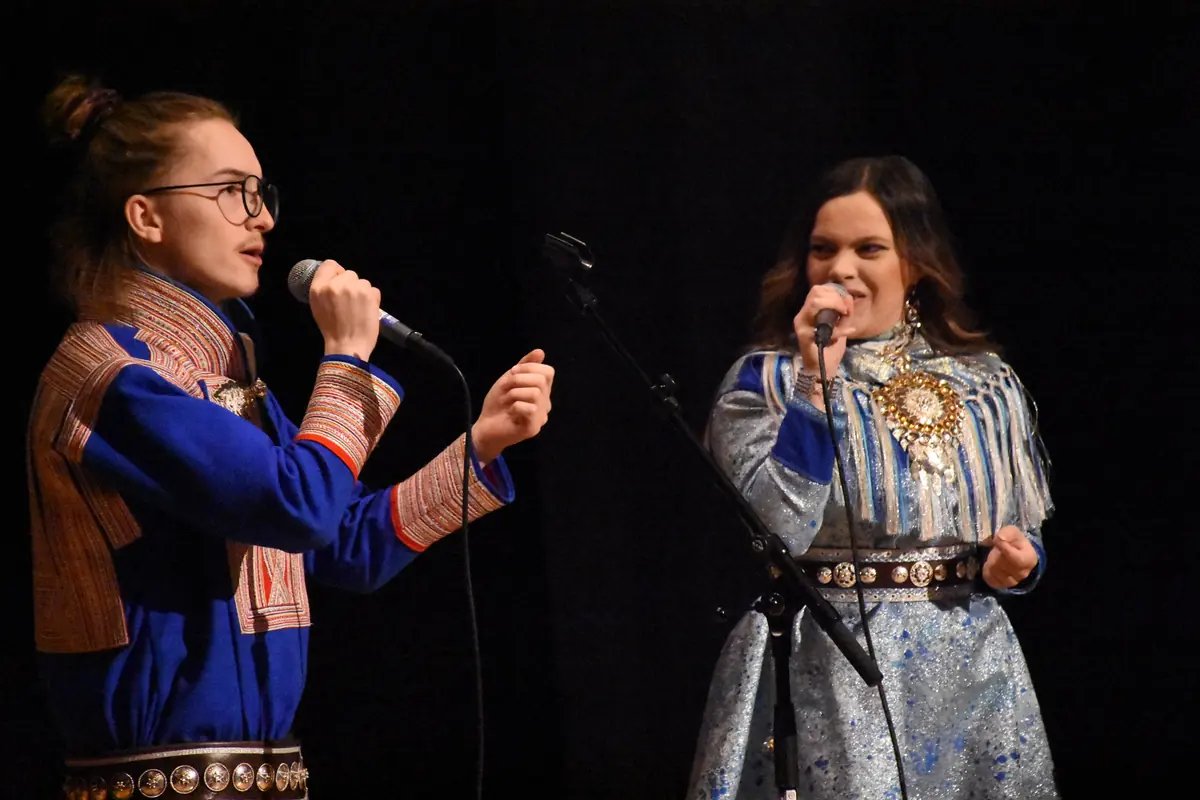
When Christianity spread among the Sámi, joiking was condemned as sinful, linked to the noaidi, the Sámi shamans, and to older rituals. Later assimilation policies, known as Norwegianisation, added to the pressure, and the strongest period of them ran from about 1900 to 1940. The tradition survived anyway. A joik revival in the 1970s brought more than 40 Sámi and joik albums and cassettes, and the Sámi Parliament of Norway was elected for the first time in 1989. Joik is now heard on stage and on record, including at the Sámi Grand Prix.
How it differs from Norwegian folk song
Norwegian folk music has its own forms: the ballads called kvad, short sung verses called stev, and the Hardanger fiddle in the west of the country. Joik is a separate tradition with different roots, so it is worth keeping the two apart. A joik has short lyrics or none, and it is not built like a ballad, because it is a portrait, not a story. A Northern Norwegian folk song or a psalm is closer to what most European listeners expect from a concert.
What the concert says it plays
The concerts in Tromsø Cathedral draw on psalms, folk tunes, traditional music from Northern Norway and Sámi music, performed by professional musicians. The programme varies from concert to concert. That is why this guide says a joik is possible, not certain: if the musicians choose a Sámi piece on your night, you will hear it, and if they do not, you will hear the other kinds of music in the mix. The ticket does not promise any particular piece.
Read next: Tromsø midnight concert tickets
Listening well
Treat a joik as a person, not a tune. You do not need to understand any language to listen. A church is a quiet room, so let the musicians show you when a piece is finished before you applaud. If a Sámi piece is sung, notice how it differs from the hymns around it: traditionally there is no accompaniment, the pulse is different, and one voice carries the whole sound. Afterwards you can read more about Sámi culture in the sources below.
Who this isn't for
If you came to Tromsø specifically to hear a full joik concert or to meet Sámi performers, a half-hour church concert with a mixed programme is not that. It is a short concert with several kinds of music, of which Sámi music is one. Look for dedicated Sámi cultural events if joik is your main interest, and treat this concert as a pleasant introduction to the region's music.
Frequently asked questions
What is a joik?
A joik is a traditional Sámi song, usually sung without instruments. It is made to evoke a person, an animal or a place, not to tell a story about one.
Will I hear a joik at the Tromsø Midnight Concert?
Possibly. The concerts draw on psalms, folk tunes, Northern Norwegian music and Sámi music, but the programme varies, so no particular piece is promised.
Who are the Sámi?
The Sámi are the Indigenous people of Sápmi, which covers northern Norway, Sweden and Finland and the Kola Peninsula in Russia. Tromsø's Sámi name is Romsa.
Is joik the same as Norwegian folk music?
No. It is a separate Sámi tradition. Norwegian folk music includes ballads, short sung verses and the Hardanger fiddle.
When should I applaud at a church concert?
Follow the musicians' lead and wait until a piece is clearly finished. Stay quiet during the music, as you would in any church.
Sources